

Find Some Light
But we are entering a time when we will have to find new ways to come together and support one another. There is no way around it. The lives we thought we would have may need to take on new meaning. The future may not look the way we imagined, but that does not mean we have no future.
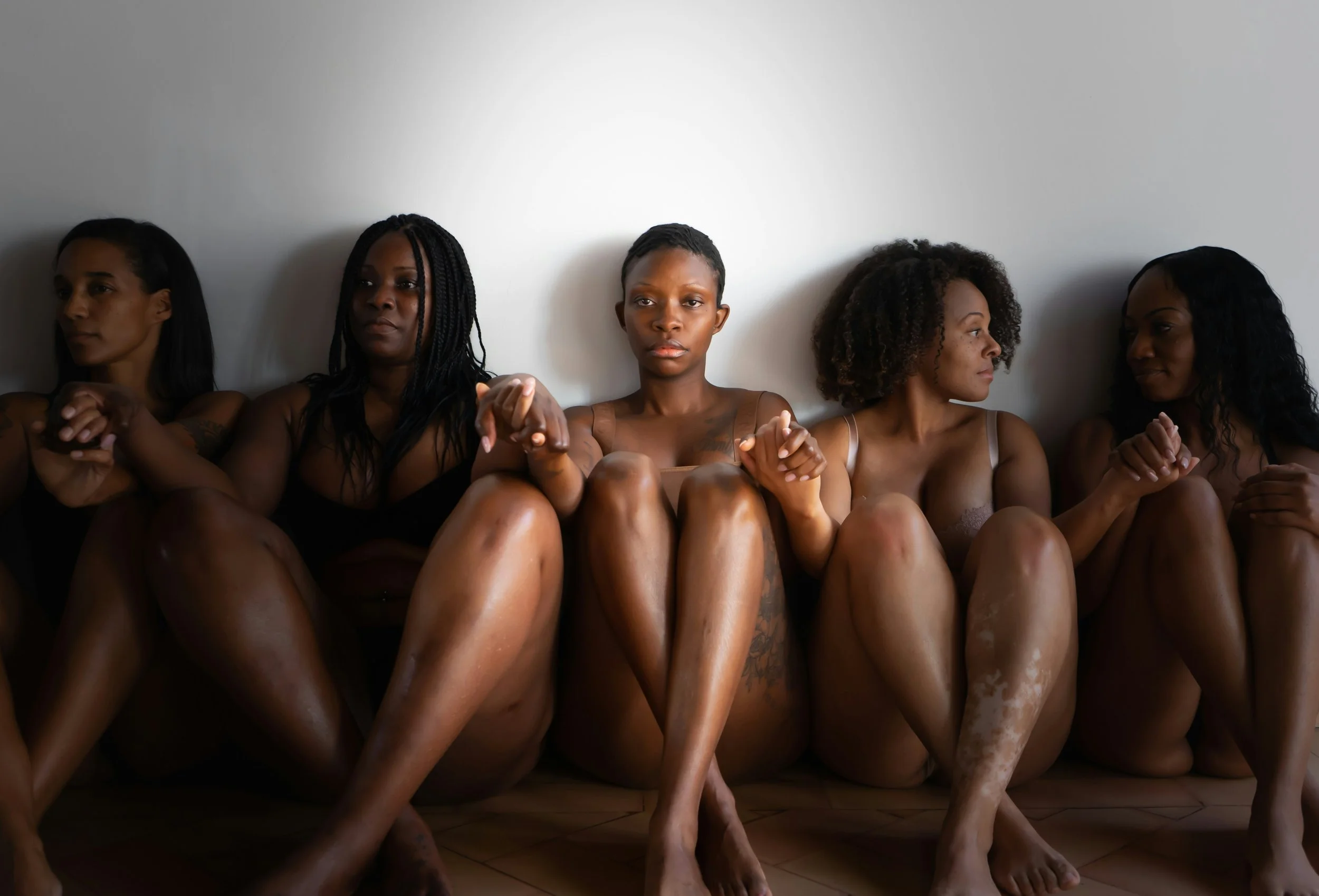
When the Body Says “No”: Black Women, Stress, and the Silent Toll on Our Health
There’s a kind of tiredness many Black women know in our bones. Not the kind that a nap can fix, but the kind that builds slowly over years of holding everything together. We learn early that our value is measured by how much we can carry, the job, the family, the caregiving, the community work, and then we wonder why our bodies ache under the weight of it all.

Fuck Coming Out. Why Don’t Y’all Come the Fuck In?
Fuck coming out. We’re staying the fuck inside. Our sexuality isn’t a TED Talk. Our gender isn’t your HR diversity exercise where someone nods gravely and says, “Thank you for sharing.” (Translation: please don’t sue us.) Straight people roll through life unexamined, while we’re expected to hold press conferences at family holidays. Our cousins bring home a Tinder date and it’s “Pass the gravy.” We bring our partners and it’s suddenly a symposium: “So how do you two… uh… live?

Rest Is Not a Reward: Reclaiming Relaxation as Resistance
We know what it feels like to keep going when there’s nothing left in the tank. To push through the headache, the shortness of breath, the dissociation. To keep producing, performing, holding it all together because slowing down feels like it could crack something open we don’t have time to face.
That’s not personal failure. That’s conditioning.

Independence, Autonomy, and Healing: Rethinking Freedom in Therapy
Freedom is one of those words we toss around easily — especially in the therapy room. We say things like “find your voice,” “set yourself free,” or “take back control.” But what does freedom mean when you’ve never felt safe enough to make your own choices? What does it mean when every time you tried to choose yourself, someone told you that you were being selfish, disloyal, or ungrateful?

“Strong, Silent, and Suffering”: The Emotional Education Men Never Got
Most men aren’t taught how to care for their mental health. They’re taught how to perform masculinity.
From early childhood, boys are conditioned to embody a narrow version of manhood: be tough, don’t cry, stay in control. Vulnerability is treated as a liability, and tenderness as a threat. The result? A dangerous emotional straightjacket — one that leaves men silently suffering under the weight of feelings they were never allowed to name.

Pride is a Protest: Mental Health, Liberation, and Queer Resistance
It’s June, we hope to still see across cities and towns, the rainbow flags flying high, fluttering from windows and storefronts. Pride Month is a celebration — yes, but let’s never forget that it began as a protest. The first Pride was a riot by people who were tired of hiding, tired of policing themselves to survive.
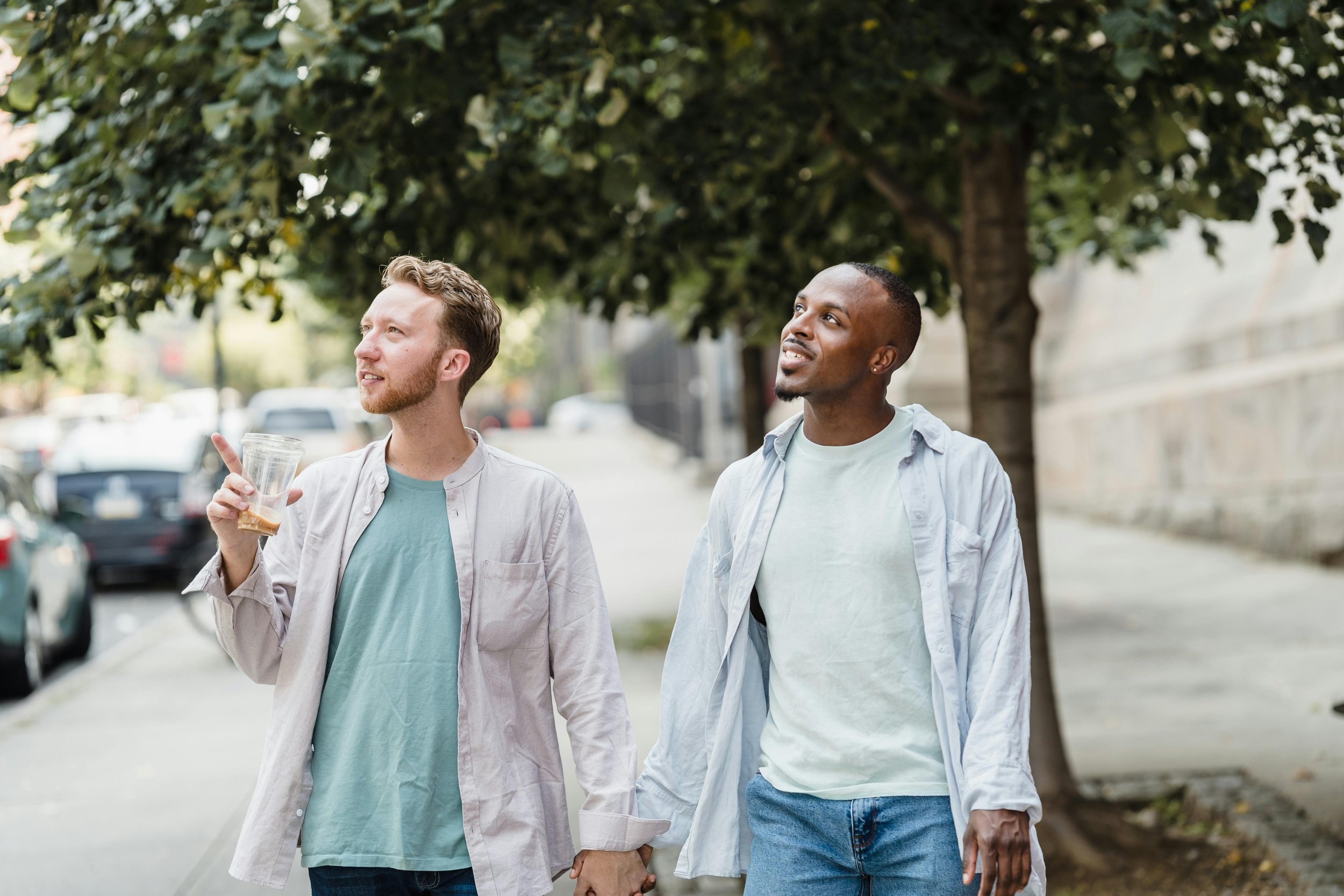
Is It Still Important to Come Out for National Coming Out Day and Trans Remembrance Day?
I have had the privilege to witness many clients reflect on their personal journeys and support the navigation of their identities within a complex social context. Some have even asked if it is still important to come out. And “What if we live in a world where it’s okay to just be, where labels don’t need declarations and existence itself can be revolutionary?”
As a therapist, I can’t answer this but work with people to make their own determinations on what they might feel or believe given who they are, where they live, and what they understand about the world.
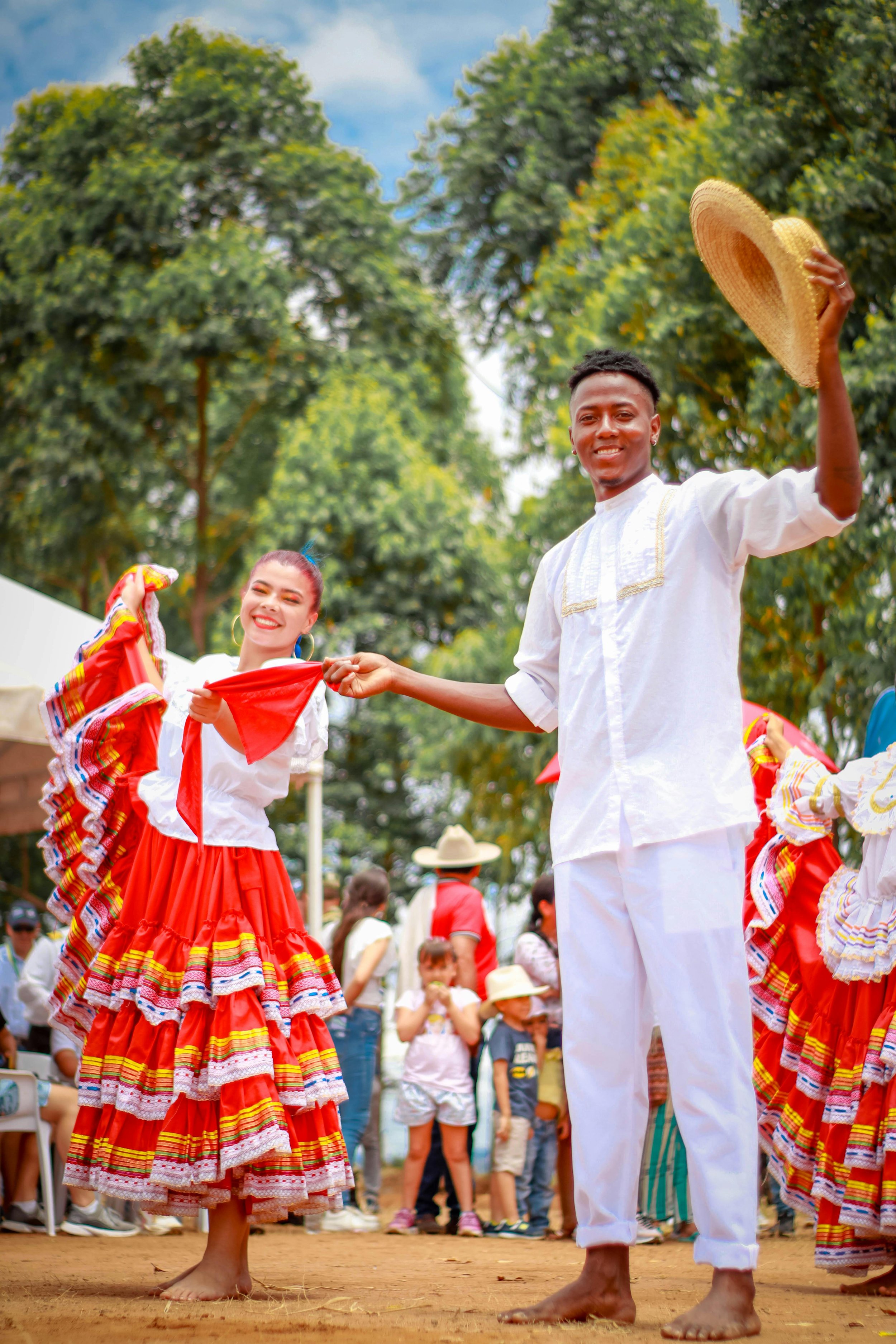
It’s Latino Heritage Month for Afro-Latinos too
As an Afro-Latino therapist, I often witness the mental health challenges of those that struggle to navigate multiple cultural identities. While it is glorious to be a blend of the diaspora, at times it can feel difficult for some to find themselves between the pressure to preserve a heritage and step into whatever society might deem more of value. I get it, I’ve been there. There is also a generational impact of these struggles. For those of us with parents or grandparents who immigrated, we often inherit their trauma without fully understanding it. There’s a lot of unspoken grief passed down from one generation to the next—their sacrifices, the pain they endured to give us a better life. We carry their stories with us—their survival, their loss—and sometimes that shows up in our own mental health without us even realizing it. It can manifest as anxiety, perfectionism, or the constant fear of failure because we feel we ‘owe it to them’ to succeed. And if we struggle, it can feel like we’re letting down generations of family, which only adds to our emotional and psychological load.

What is liberation psychology and what is liberation-based therapy?
Originating from the works of psychologists like Ignacio Martín-Baró and Paulo Freire, liberation psychology
emerged as a response to oppressive political regimes and social injustices occurring in Latin American during
the 1970s. It was a time when many Latin American countries were ruled by authoritarian regimes, and people
faced persecution and marginalization for expressing dissenting views or advocating for social change. Against
this backdrop, psychologists recognized the urgent need to address not just individual mental health issues
but also the broader social and political factors contributing to widespread suffering and oppression. This
practice offers a unique perspective on healing—one that prioritizes empowerment, cultural relevance, and
the interconnectedness of personal and societal well-being.
Digging Deeper, Together: An Inclusive Support Group for Black Men
I heard somewhere that the first time some Black men receive flowers is at their funeral. This stark reality, upon reflection, doesn’t sound much like news—right? Flower-giving, in the broad sense, is a tradition of encouraging intimate connections with one another, conveying warmth, and communicating emotions; to say, “I see you.” Though, for a lot of Black men, being seen is often a luxury, stemming from a culture that rarely, if ever, acknowledges our emotional needs, let alone meets them. This can be damaging to one’s sense of self. When the need to feel connected is neglected by those around us, these feelings can be internalized and cause us to strain or blur our connection with ourselves. How we deal with our emotions is often influenced by how the world around us. From loved ones to the culture we live in, all interactions affect our emotions, especially how they are reflected back to us.

Raising Young Black Sons as a Solo Mother
Little Brother is a 10-chapter documentary film series and interactive media project that features one-on-one conversations with black boys as young as nine years old. This is great documentary for Solo Moms of young black boys, educators, and anyone interested in what young, black, male children are thinking about.