

How Stigma Keeps Us Quiet and What Healing Sounds Like
It rarely feels like a straight line. One day you may feel deeply connected to your partner, remembering the laughter and intimacy that drew you together. The next day, you may feel small, dismissed, or criticized in ways that sting long after the words are spoken. That back-and-forth—care and cruelty, closeness and distance—can leave you questioning: Is this a hard season we can work through, or is this something deeper that keeps repeating?

“She’s Not Her Ex, and I’m Not a Fantasy”: When Your Client Is Loving Someone Healing from Narcissistic Abuse
As a therapist, I often work with clients navigating the confusing terrain of early relationships. One of my clients—let’s call her Maya—came into therapy recently trying to make sense of a relationship that was both deeply affirming and increasingly destabilizing.
Maya is dating a woman named Alicia. From the start, she described their connection as electric, magnetic, soulful. They could talk for hours. The physical chemistry was undeniable. The emotional intimacy, profound. Maya felt seen, held, wanted—not in a superficial way, but in a way that made her believe in something sustainable.

Family Isn’t Always Safe: Setting Boundaries During Summer Visits
The first time one of my clients — let’s call her Maya — decided not to attend her family’s annual reunion, she shared with me how anxious and conflicted she felt leading up to it. She barely slept the night before, her stomach in knots, guilt tangled with dread. She kept hearing her mother’s voice in her head: “You know how much this means to your grandmother.” But what was never spoken in her family was how emotionally exhausting these gatherings had become for her — the subtle jabs about her body, the persistent questioning about why she was still single, the way the room would go silent whenever she spoke up about something “too political.” She told me that each year, she left feeling smaller than when she arrived. That summer, for the first time, she chose herself.

The Unseen Cycle: How Victims of Narcissistic Abuse Can Unintentionally Become Abusers
There’s a hard truth we don’t talk about enough: sometimes, survivors of narcissistic abuse can find themselves repeating the very behaviors that once harmed them. Not out of malice or intention—but out of unhealed trauma, fear, and learned survival strategies. It’s uncomfortable. It doesn’t fit neatly into victim/perpetrator binaries. But it’s real, and we need to talk about it.

When Attachment Styles Clash: Building Bridges in Intimacy
Our intimate relationships can be a place where your deepest insecurities and relational patterns emerge. Attachment styles—your subconscious blueprint for navigating intimacy—play a significant role in how you connect with others. When attachment styles clash between partners, the result can be a dance of misunderstandings, emotional triggers, and unmet needs.

The Hidden Costs of Chasing Perfection in Love
We see them.
The flawless Instagram relationships with fairy-tale endings of curated proposals and choreographed dances at weddings. Our IG/TikTok feeds are constantly flooded with images of couple goals, perfectly timed vacations, effortless communication, and partners who seem to meet every emotional need without fail.
But is this reality?
No. I’m not a hater but I’ve seen how the neverending pursuit of a perfect love story can often leave many clients feeling disillusioned, disconnected, and unfulfilled in the relationships that they do have.
Healing the Wounds of Childhood in Your Adult Relationships
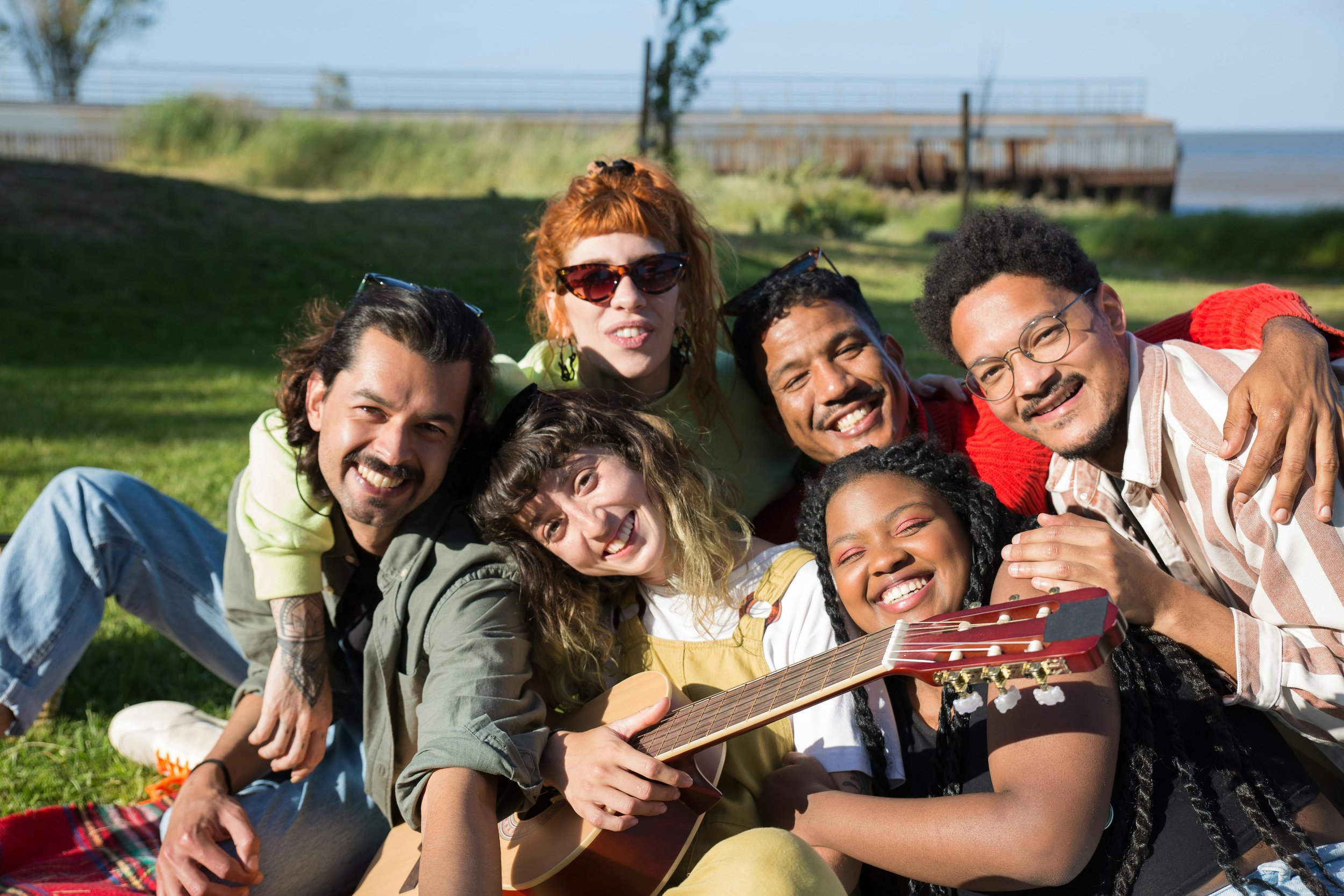
The relationships you form in adulthood are often shaped by the experiences of your earliest bonds. Childhood, with its tender moments and unspoken lessons, lays the foundation for how you navigate intimacy, trust, and emotional connection. When these early experiences involve wounds—neglect, criticism, inconsistency, or trauma—they can subtly (or not-so-subtly) influence the way you relate to others as adults.

What Does Love Really Mean? A Guide to Reframing the Concept Beyond Fairytales
Love usually is misunderstood. Framed by fairytale narratives and Hollywood glamorization, you might have grown up equating love with grand gestures, ideas of soulmates, and happily-ever-afters. In our non-Hollywood everyday lives, love is less about the fireworks and more about the quiet moments of connection, commitment, and care. As they say, ‘love is a verb’ let’s explore what that looks like.

Entropy in Relationships — What is that?
Entropy in relational dynamics can be understood as the gradual breakdown of a relationship over time, especially if there is no effort to maintain or nurture it. Just as physical systems naturally move toward greater disorder, relationships—whether personal or professional—can become more disorganized or dysfunctional unless energy is put into maintaining communication, connection, and mutual understanding

How to have Life-Affirming Conversations
I saw an IG live post from Adrienne Marie Brown talking about “soft spaces” which is more fitting sometimes than the traditional concept of “safe spaces.” Brown emphasizes that a soft space is one where we can be vulnerable, where we can share our true selves without fear of judgment. In our conversations about mental health, creating these soft spaces means fostering a space where people feel they can open up without hesitation. It’s about being genuinely present, listening with empathy, and ensuring that the person feels accepted for who they are.

With the Fall Brings… Cuffing Season
The air is cooling and the leaves are turning that red/russet, golden yellow so is our collective mood toward dating. It’s cuffing season, that time of year when the prospect of cozy nights snuggled up next to someone seems infinitely more appealing than braving the cold solo. But before we all rush into the comforting arms of a new relationship (or situationship), let’s pause and think about what we’re getting into.

The Perils of Summer Love: Love Bombing & Gaslighting
I’ve been thinking about what it means to listen. Listening is a form of active engagement which I think is different from hearing. Hearing is physiological. Hearing is a passive and automatic sensory process. If we have the privilege to hear, we don’t control it. Listening is an active and intentional process. It involves paying conscious attention to the sounds we hear, interpreting them, and understanding their meaning. Listening requires focus, cognitive engagement, and often emotional involvement. It's a deliberate action that goes beyond mere auditory perception to include processing and comprehension. We don’t have to have the physiological function to hear in order to listen.

Are you using your child to get back at your ex? The Impact of Parental Alienation
Constance and Damian have recently gone through a bitter divorce. Constance feels deeply hurt by Damian's actions during their marriage, and though he wants to stay involved in their children's lives, Damian does not want to be married anymore. This is a blow to Constance, she thought things were going ok despite the challenges of raising two and the economic stress they’ve been under. Constance can't seem to move past her anger. She starts making it difficult for Damian to see the kids—canceling visits at the last minute, ignoring his calls, and speaking negatively about him in front of their children. As weeks turn into months, Damien notices that his son, Jake is becoming more distant, even protective of Constance. His younger daughter, Grace, seems confused. Constance’s unresolved anger is inadvertently causing emotional harm to their kids.

Summer is Sexy: Let’s Talk About Safer Sex and Consent Without Shame - 5 Things to Think About
Summer 2024 is about to be here, and with it comes sun-soaked days, late-night adventures, and the sizzling promise of romance and connection of all kinds. Whether you're getting that sexy drip together for smashtime or getting all Bridgeton about it …preparing to rekindle an old flame. It’s time to Let’s Get It On (for you old timers), make that WAP happen ... .or just be in the heat of this undeniably sexy summer. But with all the excitement, it’s essential to keep our conversating (it’s in the Oxford Dictionary!) or conversations around sex, consent, and safety both proactive and shame-free.

Engagement
The engagement period can be an exciting and transformative time for a new couple. While experiences and feelings can vary among couples, here are some common aspects of what the engagement period might feel like.
Preparing for Marriage or Long-Term Partnership
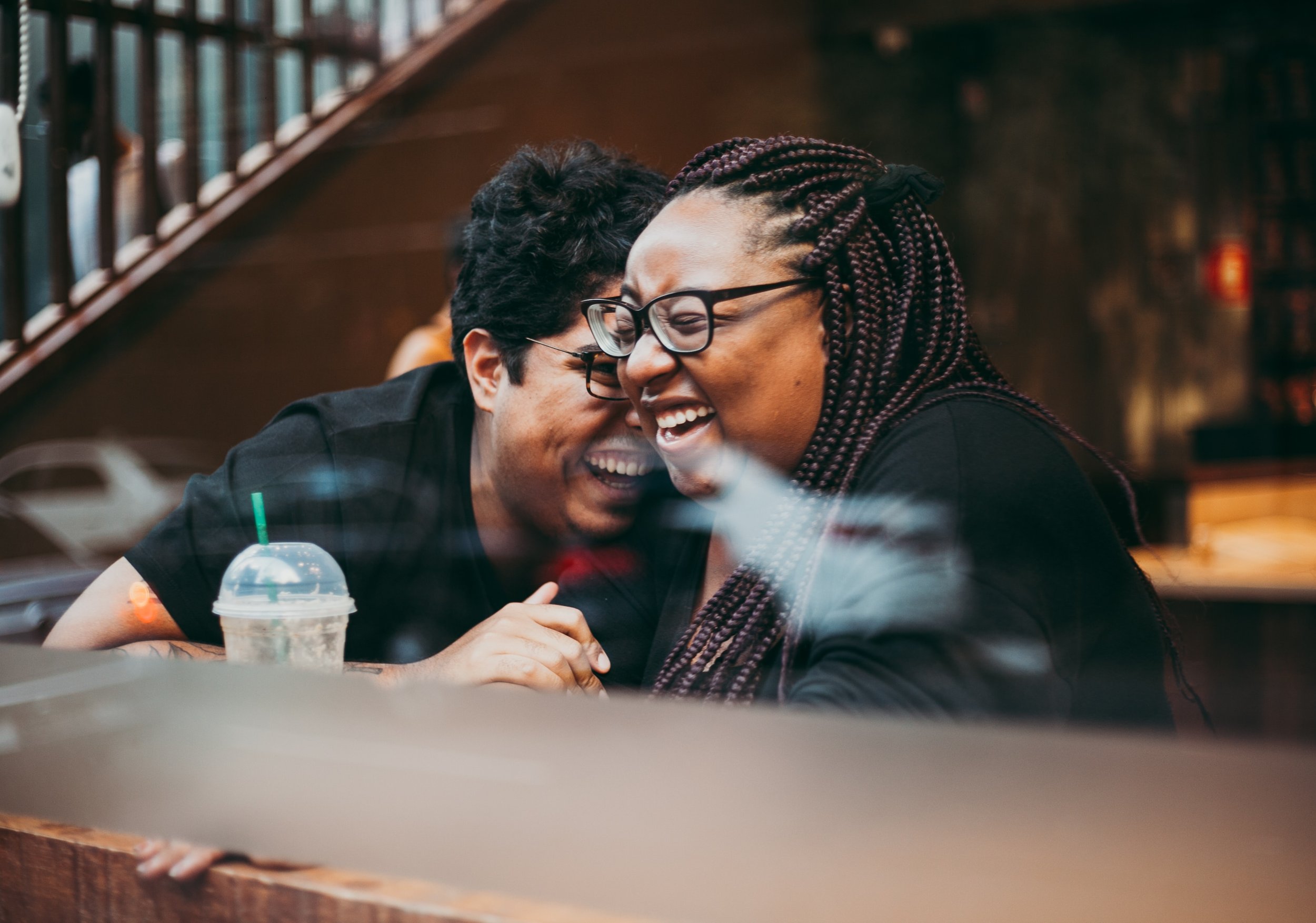
Discover the key to a lasting relationship and a brighter future with premarital/long-term union counseling. Learn the essential skills and gain valuable insights needed to navigate communication, conflict resolution, and shared values. Explore the often overlooked subjects like financial planning, family dynamics, and legal considerations. Lay a strong foundation for your future together and reduce the likelihood of divorce or separation. Find out why proactive engagement and open dialogue are crucial in building resilient and enduring partnerships. Start your journey towards a successful and fulfilling marriage or long-term commitment today.

Five Books to Help You Cope with Divorce
Here are five reads that will make you laugh, fill you with rage, uplift your mood, and possibly give you much-needed perspective, as you cope with divorce.

The Guilt of Mothering Solo, an Uneasy Burden
Solo Moms try to do as many things “right” as possible, but there is no such thing as perfection. When it comes to motherhood, trial and error is part of the deal.