

Liberation Is Work (Even When We’re Tired)
This year has been wilder than most.
Uncertain in ways that feel both global and deeply personal. Marked by loss—of people, of safety, of illusions we may have once held about progress, protection, or care. It’s been a year shaped by ongoing genocide, by systems that hoard wealth while communities are left to ration breath, shelter and grief. A year where the gap between what could sustain collective life and what is actually shared feels almost unbearable to witness.

When the Days Get Shorter: Seasonal Affective Disorder in Fall
Fall looks cozy on Instagram—pumpkin patches, candles, weekend trips upstate. But for a lot of people, once the days get shorter, the vibe shifts. You get out of work and it’s already dark. Your energy dips, your mood feels heavier, and suddenly even answering texts back feels like a chore. If this sounds familiar, you’re not alone. What you might be feeling is Seasonal Affective Disorder (SAD)—a form of depression that shows up as the seasons change, most often in fall and winter.

What It Means to Heal the Ghosts We Carry Within
When my grandfather died, grief arrived in ways I didn’t expect. It wasn’t only about losing him—it was about seeing how family history showed up in the days that followed. Relatives traveled over states and countries, trying to gather, booking flights, sending messages back and forth. Some of us were able to come together, others not. The distances weren’t just about geography; they were about years of migration, work that pulled people away, and histories of upheaval. Anyone who has lived far from family knows this truth: distance is rarely measured in miles alone.
Career Counseling as a Practice of Liberation
What gets called burnout is often something deeper: grief, identity loss, and the long-term impact of surviving inside systems that were never built to care for us. For many people—especially Black folks, queer folks, caregivers, immigrants, and anyone who's been made to shrink or overperform at work—burnout isn’t about a lack of resilience. It’s about what had to be held, swallowed, or sacrificed just to get through the day.
When Men Come to Therapy: From Echo Chambers to Inner Knowing
In therapy, I meet men who’ve been talking—to themselves, to friends, to podcasts, to Reddit threads and ChatGPT—for years. Group-chats and buddy hangouts echo the silence of unrequited vulnerability. They’ve been thinking through their relationships, their failures, their fears, their anger. But often, they’re not being heard in a way that brings relief or clarity.
When You’re the First One in Your Family to Go to Therapy
There’s a particular kind of loneliness that comes with being the first one in your family to sit on a therapist’s couch. It’s not just about explaining your feelings. It’s about translating an entire worldview. About breaking open ways of coping that generations before you needed just to survive.
Nobody talks about how heavy that is.
You’re not just going to therapy for yourself. You’re going for everyone who didn’t have the language.
AM I DOING OK? ARE YOU OK? SIGNS OF MENTAL HEALTH Issues You Shouldn’t Ignore (For yourself and those around you…)
It’s time to name the warning signs that too many folks brush off. IT’S OKAY IF YOU’RE NOT OK. CHECK IN WITH YOURSELF and others:

Break the Stigma: Mental Health Matters in Every Community
We can’t afford to keep sweeping things under the rug. In real time, we are in a state of collective exhaustion. Inflation is making it hard for families to stay afloat, racial tensions continue to rise, and communities of color are still fighting for basic rights and recognition. Add in the impact of constant police brutality, mass shootings, and political unrest, and you’ve got a mental health crisis that’s hard to ignore.

Yes, You are probably stressed out. Here are Top 5 EASY Stress-Relief Techniques Backed by Science
When we feel stressed, our bodies go into "fight or flight" mode, a natural response that helps us deal with all kinds of danger and challenges in real time. Our brain automatically releases hormones like adrenaline and cortisol, which get our heart pumping faster, our blood pressure up, and our muscles tensed, all to get us ready for action.

OMG My MOOD IS Up and Down Every Day!! — HELP!
The world we’re living in right now is, to put it lightly, crazy. Things seem to be shifting at a pace that’s both dizzying and exhausting. One minute, everything feels fine, and the next, you’re overwhelmed, anxious, or sinking into a fog of depression. For so many of us, the combination of global chaos, personal pressures, and the constant bombardment of stressors can make it feel like we're walking on a tightrope, constantly teetering between holding it all together and falling apart.

Quit That Job You Hate… Maybe
Are you finding yourself questioning whether you should stay in your current job? You're not alone. Deciding to leave a job is a major life decision and can be incredibly stressful. Here's a guide to help you evaluate whether it's time to move on and some practical steps to take if you decide to quit
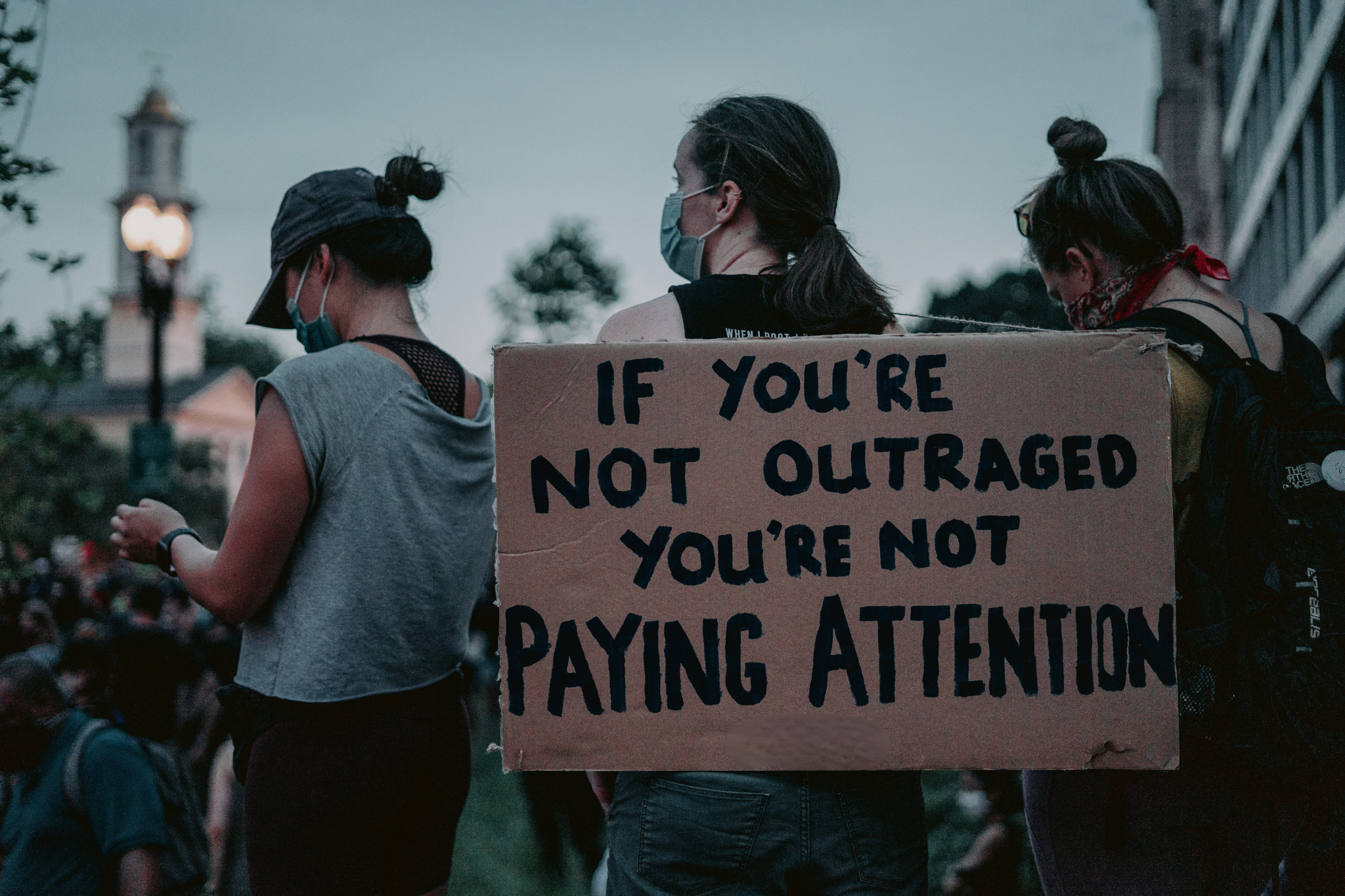
Folks, I Don’t Think This Situation Is a “Wait and It Will Resolve” Kinda Thing
I’ve been hearing a lot of folks say, “Things will work themselves out.” As if democracy is some self-cleaning oven. As if the erosion of rights, the rise in political violence, and the increasing normalization of authoritarian tactics are just phases we can ride out. I hate to break it to you, but this isn’t a waiting game. This is an all-hands-on-deck moment.
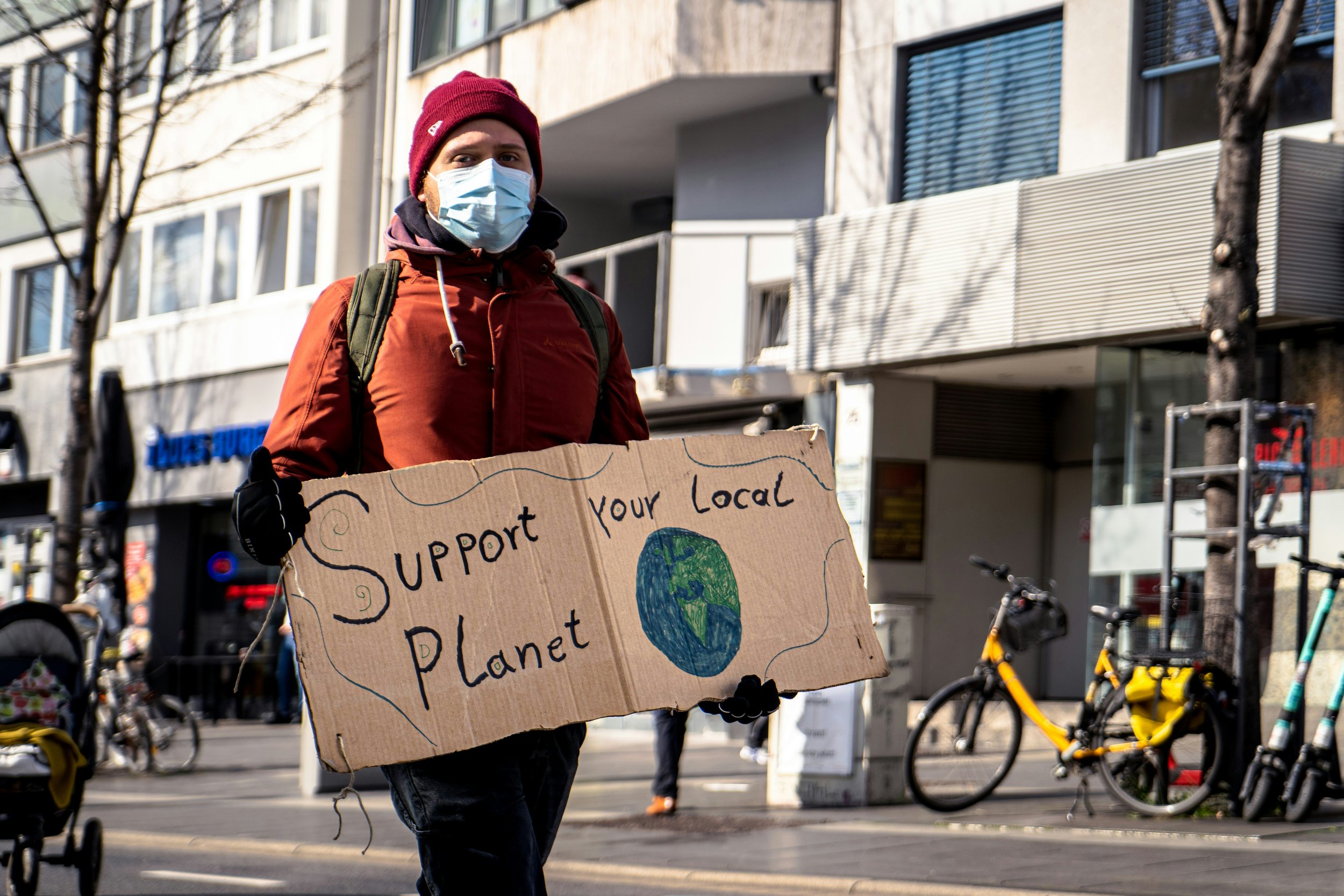
Navigating Climate Anxiety
For many of us, when we think about the future of our environment, the picture isn’t as bright as it used to be. Instead of envisioning beach vacations, new life milestones, or family gatherings, there’s a shadow looming that the physical world as we know is changing—and not for the better. Fires ravage entire countries, floods sweep away cities, our food sources are depleting, deforestation happening, drilling/fracking and the air grows heavier with pollutants. The anxiety is real, and it’s something many of us feel deeply. This phenomenon, of "climate anxiety," is becoming more widespread, particularly among younger generations who feel the weight of an uncertain future on their shoulders.

Understanding Seasonal Affective Disorder (SAD) and the Holiday Season
As the days grow shorter, many people may feel an inexplicable shift in their mood. While some of this can largely be attributed to changes in daylight, for others, it signals the onset of Seasonal Affective Disorder (SAD). SAD is more than just feeling "the end of summer/ winter blues." It’s a legitimate form of depression that can impact your daily life. As we enter the holiday season—a time often depicted as joyful and celebratory—SAD can feel even more overwhelming. It’s really important that you understand this condition, along with why it happens and how it’s influenced by more than just the weather.
Some Thoughts from Us:
Grief is exhausting, messy, and unpredictable. It barges into your life, settles in your throat, your chest, and makes you question everything about life and love.
There’s no “right” way to grieve, no perfect advice that’ll make it less painful or fast-forward you through it. But there are several ways for you to navigate the journey, even if they’re a little clumsy or downright painful.

Uh Oh, It's Election Season and the Holidays. I Don’t Like Any of This Sh*t. It’s Too Much. What Should I Do?
Here it is. Election season and the holidays are a toxic blend of stress and chaos. It’s a perfect storm of political ads, end-of-year pressures, and family gatherings that feel more like debates than celebrations. It’s hard enough to manage either one of these on its own, but together? Who can blame anyone for just sitting at home and watching all three seasons of Is It Cake? on Netflix. The worst part? There's no escaping it or anyone who wants to discuss it. Whether you're scrolling through your social media feed, trying to enjoy a quiet dinner or going to the grocery store…, it’s like the world is determined to drag you into the mess of thoughts and opinions on all of it.
So, what should we do when we our mental health is fraying, and there’s no way to just opt out? Here’s a few tips.

Men should talk about stuff too: Breaking the stigma
It’s surprising to believe that men and mental health is still a topic shrouded in stigma and misconceptions. Societal expectations and traditional masculine norms often discourage men from openly discussing their feelings and mental health challenges which is leading to dire consequences. The statistics regarding men's mental health paint a troubling picture:

You Don’t Look Sick: Living with an Invisible Disability
When I first became aware of disabilities, images of wheelchairs, white canes, and sign language came to mind. I never thought of invisible disabilities until I went to graduate school for clinical social work. Mental or physical illnesses that you can’t see which are just as impactful on people’s lives as visible disabilities. Learning about these was important knowledge to obtain. I never thought that what I was learning was going to impact me so immediately and directly. Until it was, I’m a therapist and now I have an invisible disability.
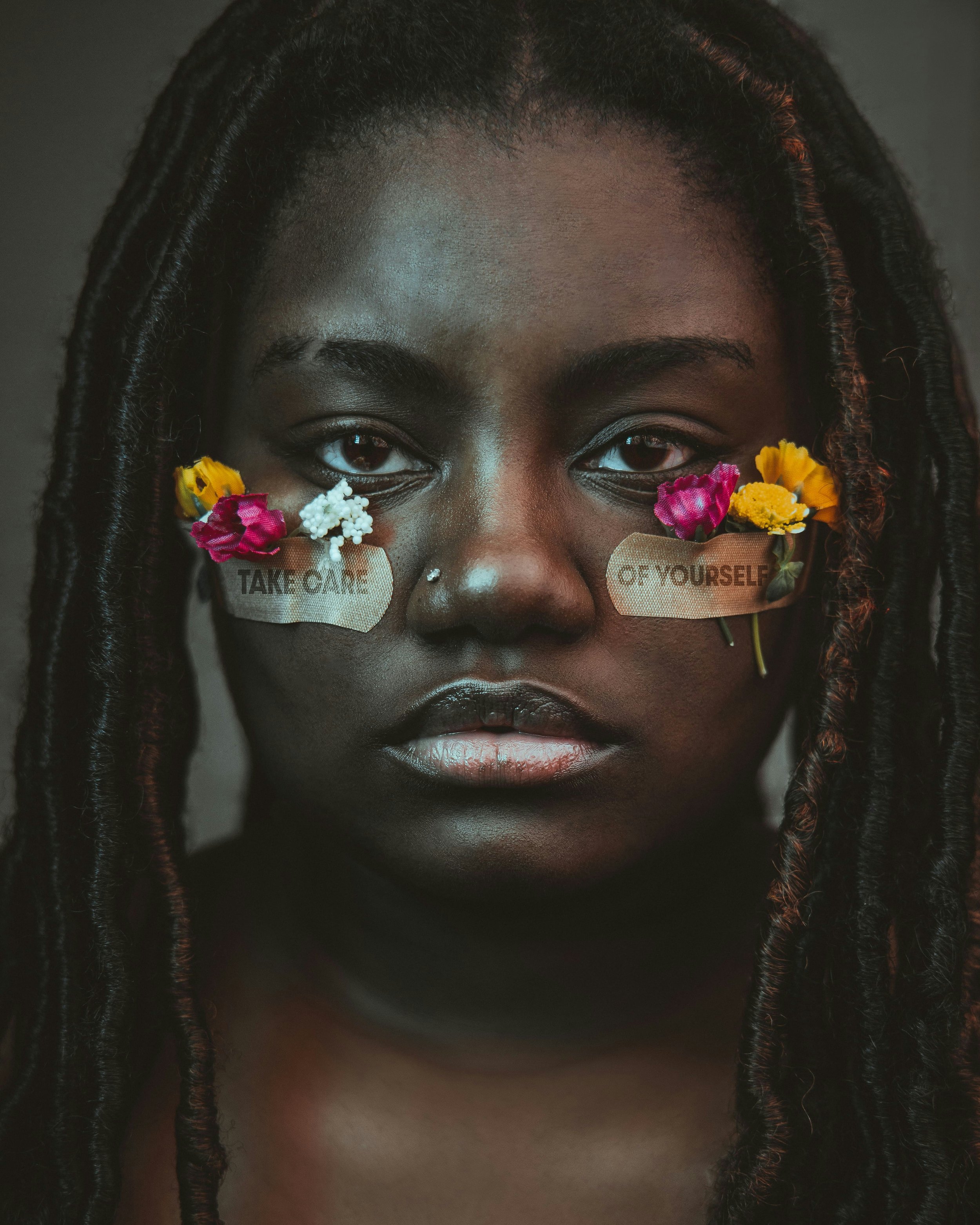
It’s Self-Care Month (designated by the World Health Organization in 2019).
Thanks WHO! Did you know the concept of self-care in the United States originated as a medical term in the 1950s for long term care patients? Later the ‘self care’ concept was adopted by activist groups during the civil rights movement as a way to manage the wear and tear on one’s body when on the front lines. BUT, if we take a moment and decenter western history around the concept, we can see that indigenous forepeople have been attuned to the needs for time for holistically caring for the body (and the planet, for that matter) as a collective responsibility for a community long before the concept was named and, now talked about by influencers. ( I mean, I remember my grandma talking about “resting her eyes”... can anyone else think of terms or phrases from elders that talked about ideas of rest?) Anyway…

Thriving Amidst the Chaos? Burnout in the Age of Late-Stage Capitalism
You’ve been here a long time. You might turn to doom scrollingl through our social media feeds to capture the news of the day with a dash of levity with a baby or cat video but you know you have to get to work. You tell yourself you’re fortunate to have a job, even if the job might not be enough to sustain, or it’s just enough but not fulfilling. You desire to do something different or want to find a way to give back to your communities. You tell yourself that these are ‘first-world’ problems but know deep down you have to pivot - make a change. It’s an oxygen mask on yourself moment in the hopes of something greater.