
When the Body Says “No”: Black Women, Stress, and the Silent Toll on Our Health
Written by: Cydni Richardson, MSPH (she/her)
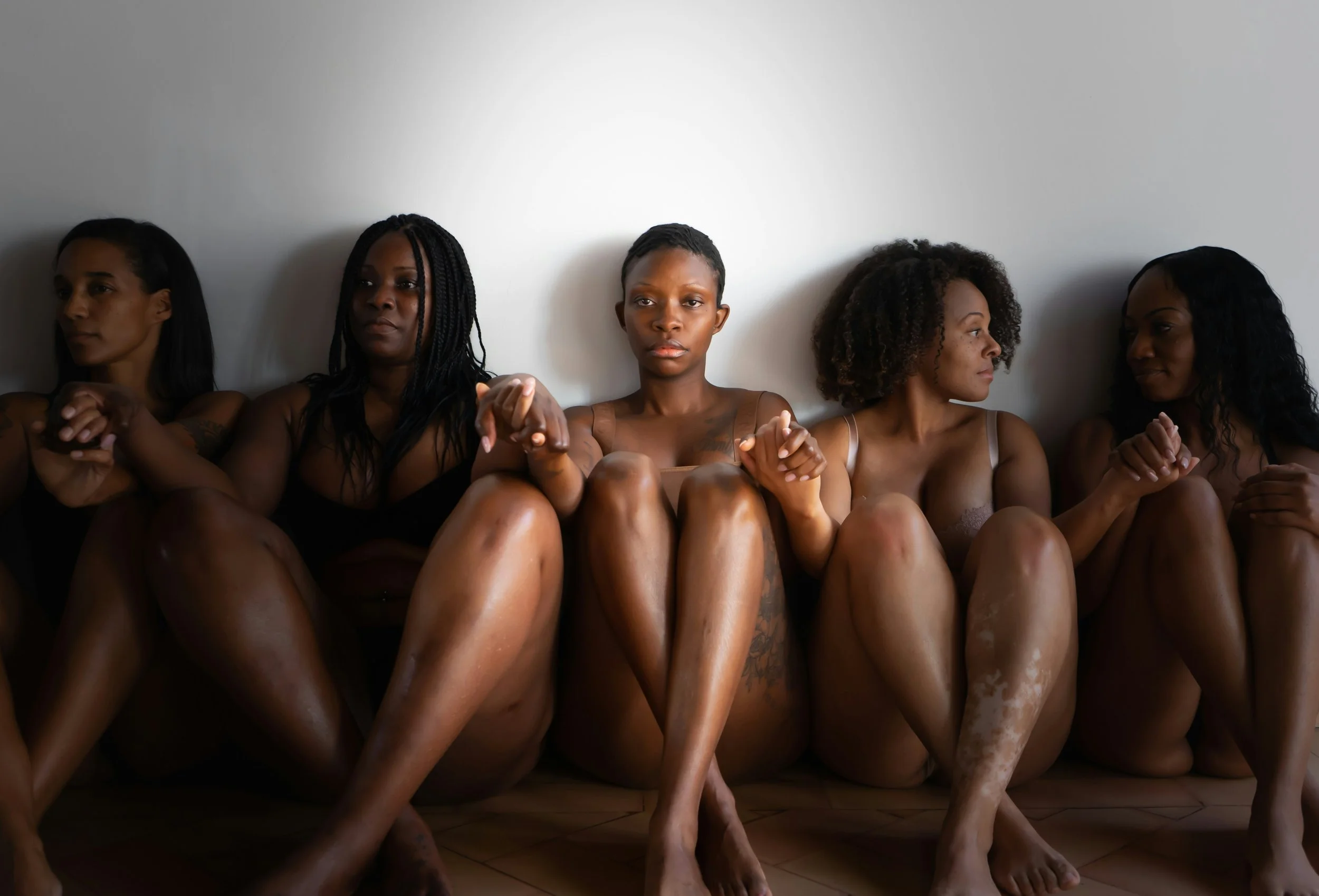
Photo by Stacy Ropati
There’s a kind of tiredness many Black women know in our bones. Not the kind that a nap can fix, but the kind that builds slowly over years of holding everything together. We learn early that our value is measured by how much we can carry, the job, the family, the caregiving, the community work, and then we wonder why our bodies ache under the weight of it all.
Our bodies remember what we’ve lived through. Long before medical studies caught up, our mothers and grandmothers knew that stress could make you sick. Now science has put words to that truth. Chronic stress doesn’t just live in the mind; it reshapes the immune system. It can trigger inflammation, disrupt hormones, and contribute to autoimmune illnesses such as lupus, rheumatoid arthritis, or thyroid disease.
For Black women, the numbers tell a sobering story. We are about three times more likely to develop lupus than white women, and our symptoms are often more severe. Studies also show that Black women with autoimmune conditions tend to receive diagnoses four to six years later than white patients. Many report years of being dismissed, misdiagnosed, or told their pain is “just stress.” By the time they are believed, the illness has often progressed.
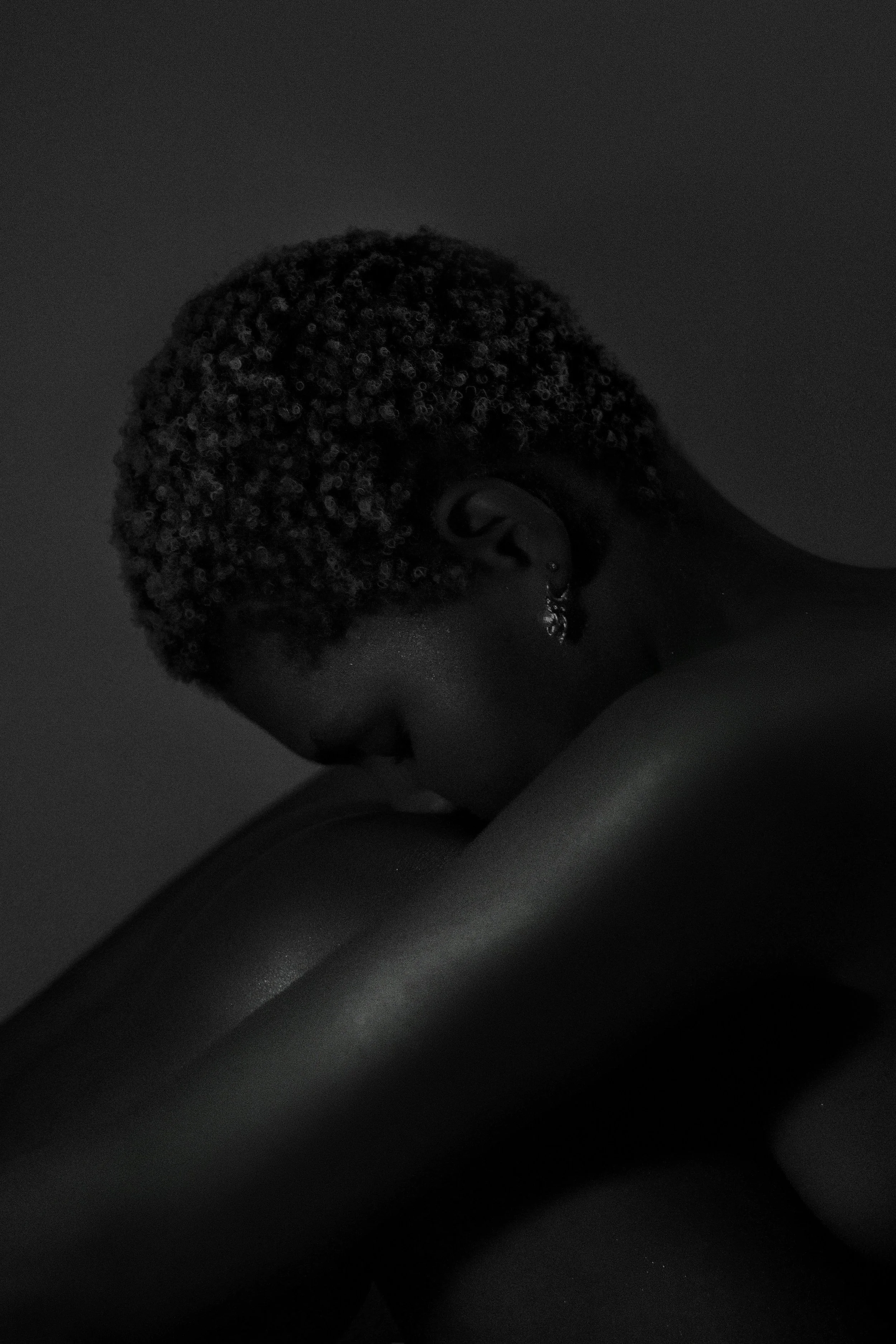
Photo by Rosa Rafael
When it started for me
Life has never been a crystal stair for me. I’ve been through it all beginning with foster care from six months to seven years old due to child abuse and neglect. When my paternal grandmother gained custody, she became my anchor. She always reminded me that stress could make me sick. She made sure I was in therapy while I attended college, always picked up the phone when I needed her, and, in so many ways, became my first therapist.
I was managing… until I wasn’t. When she passed, out went the therapy, out went the support, out went the person who held all my stress for me. I was forced to take a stand on my own with little to no support as I explored this new terrain. Relationships brought anxiety, PTSD, and depression. Living in a city where I had no one to lean on made me feel isolated, yet when I returned home hoping to be a source of support for others, I once again put myself last.
And that’s when my body finally said no.
Now, I see how I’ve overstretched my mind, my body, and my spirit in the name of ‘strength’. My new diagnosis, Graves’ Disease, is my body catching up to the years of pressure I thought I could outthink, outwork, and outpray. It’s as if my body finally joined the conversation my mind had been having for years about survival.
Dr. Gabor Maté, in When the Body Says No, writes that the body often develops illness as a response to long-term emotional suppression and unacknowledged stress. And Dr. Bessel van der Kolk, in The Body Keeps the Score, reminds us that trauma lives in the body. It doesn’t disappear simply because we keep going. My thyroid, the physical expression of my throat chakra, has been screaming for attention after years of silencing my truth, putting others before me, and not putting in the work.
I’m learning now that healing isn’t about erasing the past, it’s about finding ways to speak, to breathe, and to rest again.
Public health researcher Arline Geronimus calls this weathering, the cumulative effect of living in systems that require our constant vigilance and composure. The body literally ages faster under chronic racism, sexism, and economic stress. What gets named as disease is often the body’s long-term response to an environment that has denied us rest, safety, and acknowledgment.
And still, many of us keep pushing. The “Strong Black Woman” ideal has deep roots in our survival. It was born in resistance, in the need to endure when no one else was coming to save us. But that very strength becomes dangerous when it stops being a choice and turns into an expectation. When strength becomes identity, we begin to ignore our own needs. The migraines, the flare-ups, the exhaustion that won’t go away, we push through them, because stopping feels like failure.
But what happens when your body is no longer willing to push? When it stops whispering and starts shouting “no”?

Photo by Pavel Danilyuk
Healing for Black women is not about abandoning strength; it’s about redefining it. True strength is listening to what your body has been trying to say all along. Healing isn’t something that happens in a single moment of rest; it is a continuous act of care, and sometimes, rebellion.
At Liberation-Based Therapy, we call this healing in action, the daily, embodied choice to interrupt cycles of overextension and to listen deeply to the body’s truth. Healing in action means allowing yourself to slow down before collapse. It means claiming softness as power and refusing to perform wellness when you’re not well. It means creating new ways of being that are sustainable, relational, and grounded in liberation rather than survival.
For some of us, healing in action starts with small steps: finding a doctor who listens, saying no to extra work that costs you your sleep, reaching out for therapy even when you’ve learned to manage on your own. For others, it’s about collective healing, joining support groups, tending to sisterhood, and advocating for healthcare systems that actually see us.
If you are reading this and feel the familiar ache of exhaustion or the confusion of symptoms that no one seems to take seriously, please know that your pain is real. You are not imagining it. You deserve care that listens to you the first time. If therapy is one of the steps you are considering, you can explore our Therapists with Availability to see who is currently accepting new clients and what areas of support they offer.
Rest is not a weakness. Rest is how we begin to repair what history has tried to erode. It’s how we bring our bodies back home.
Because for Black women, healing is not stillness. It is motion with intention. It is care made visible. It is healing, in action.

Photo by Pavel Danilyuk
Autoimmune Conditions Common Among Black Women
While autoimmune disorders affect millions of people in the United States, Black women experience both higher rates and greater severity of several specific conditions. Understanding them is one part of reclaiming agency in your health care journey.
Systemic Lupus Erythematosus (Lupus): Black women are about three times more likely to be diagnosed with lupus than white women, and the disease tends to appear earlier and progress more aggressively. Symptoms include fatigue, joint pain, rashes, and organ inflammation.
Graves’ Disease and Hashimoto’s Thyroiditis: These thyroid autoimmune disorders cause either overactive (Graves’) or underactive (Hashimoto’s) thyroid function. Both are more prevalent among Black women and can cause fatigue, hair loss, changes in weight, or anxiety.
Rheumatoid Arthritis (RA): RA often presents earlier and more severely in Black women, leading to chronic pain, stiffness, and potential joint damage. Early treatment is critical to prevent long-term disability.
Multiple Sclerosis (MS): Once thought rare in Black communities, new research shows that Black women are more likely to develop MS than previously believed, and may experience faster disease progression and more intense relapses.
Sarcoidosis: This inflammatory condition, which can affect the lungs, eyes, and lymph nodes, occurs up to ten times more often in Black women. It can cause persistent cough, fatigue, and shortness of breath.
Sjögren’s Syndrome: Characterized by dry eyes, dry mouth, and fatigue, Sjögren’s often coexists with lupus or rheumatoid arthritis. Black women tend to experience more systemic complications before diagnosis.
Vitiligo and Alopecia Areata: These autoimmune skin and hair disorders can cause visible pigment and hair loss. For many Black women, the psychological toll is compounded by stigma and a lack of culturally competent dermatologic care.

Photo by Batto Creative
Healing in Action Reflection
Take a few moments to sit with yourself before closing this page. Notice how your body feels as you read these words. Without judgment, ask yourself:
Where does my body carry its stress?
What signals have I been ignoring because I felt I had to keep going?
What would healing in action look like for me this week, not in theory, but in one small, tangible step?
You might find your answer in movement, in stillness, or in the decision to make that long-overdue appointment. You might find it in a deep breath before saying no. Or in reaching out to another Black woman and asking, “How are you really doing?”
Healing in action starts there, in connection, in awareness, and in the courage to honor what the body has been trying to tell you all along.
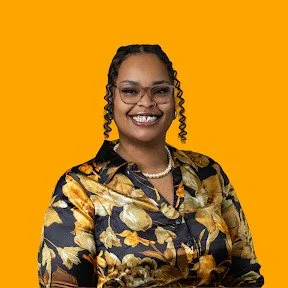
Cydni Richardson, MSPH (she/her)
Cydni Richardson, MSPH, BCD, is a driven public health advocate and entrepreneur from Denver, Colorado. She holds a Bachelor’s Degree in Biology and Spanish (Fisk University, Nashville, TN) and a Master’s Degree in Public Health (Meharry Medical College, Nashville, TN). As a Birth Certified Doula, Cydni combines her passion for maternal health with her academic expertise. She is the founder of Cydni the Assistant and provides virtual assistance to various organizations, demonstrating her versatility and commitment to making a difference. With her interdisciplinary background and dedication, Cydni strives to empower communities and promote holistic wellness.