
Find Some Light
Written by Tanisha Christie, LCSW NY/NJ/CT (she/her)
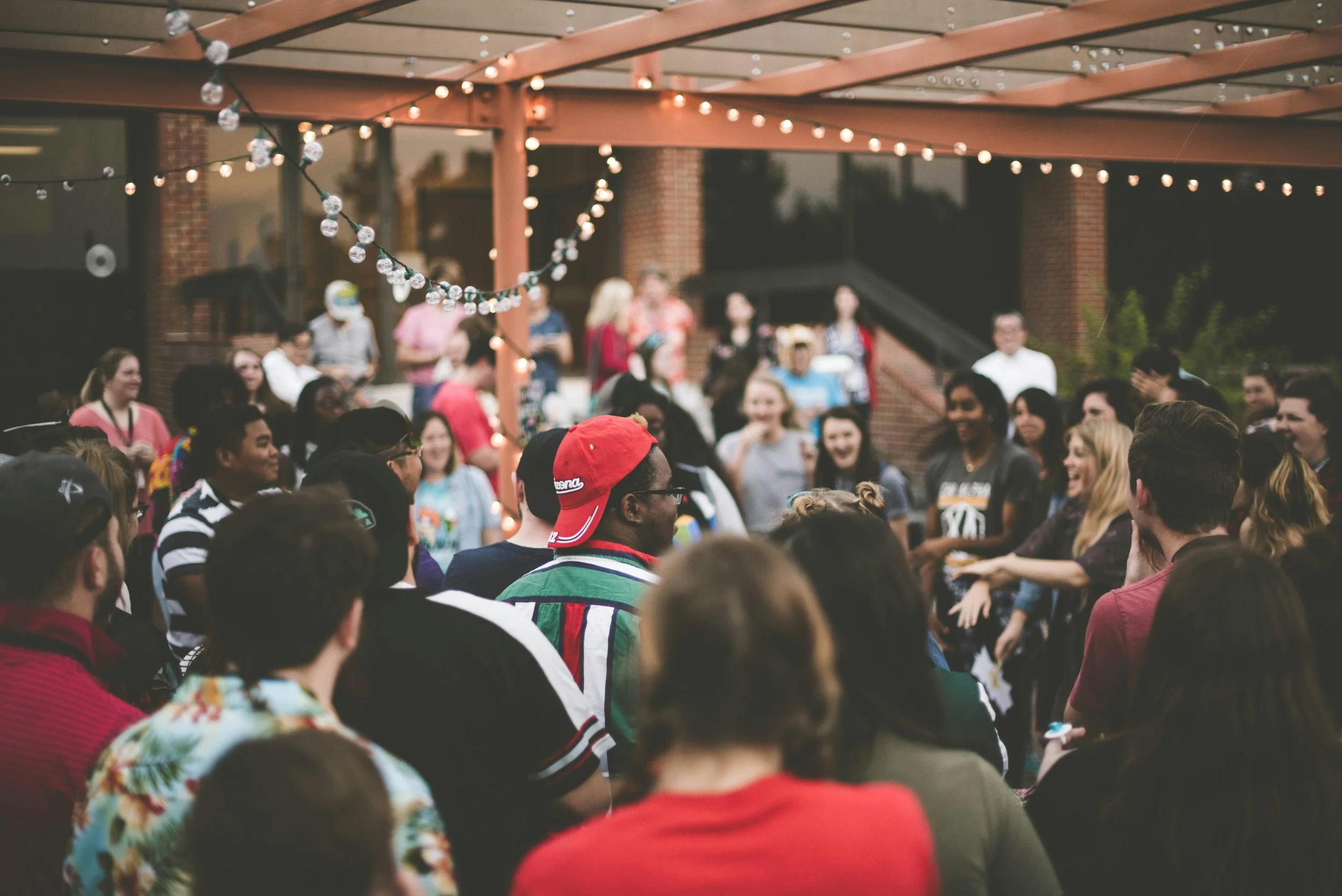
Photo by: Samantha Gades
The news is awful.
Every day seems to bring another reason to feel afraid, angry, exhausted, or powerless. Institutions we learned to trust are failing. People are challenging rights we believed were secure. Many people struggle to afford food, housing, healthcare, and even the basic experience of feeling safe.
We should not pretend otherwise. Finding light does not require us to deny the darkness.
But we are entering a time when we will have to find new ways to come together and support one another. There is no way around it. The lives we thought we would have may need to take on new meaning. The future may not look the way we imagined, but that does not mean we have no future.
History tells us that human beings evolve, not only through biology, but through necessity, imagination, and relationship. When existing systems have failed, people have always created something else.
Across cultures and generations, people have built families, preserved traditions, protected one another, and imagined new possibilities under difficult conditions. They formed networks of care because they understood that another person’s survival was also their responsibility.
Indigenous communities have carried languages, ecological knowledge, spiritual traditions, and systems of kinship across generations. They continue to teach us that our lives connect deeply to one another and to the land we inhabit.
Immigrant communities have arrived in unfamiliar places and created homes, businesses, places of worship, cultural organizations, and mutual aid societies. They have shared food, pooled money, exchanged childcare, helped relatives find work, and built communities that allowed people to begin again without abandoning where they came from.
Black Americans established schools, churches, businesses, and civic organizations while pursuing a freedom this country had long denied them. During the Great Migration, millions carried food, music, language, faith, memory, and possibility into new cities. Their movement gave rise to thriving communities and extraordinary cultural transformations that reshaped the country.
Jewish communities across the diaspora preserved religious traditions, language, scholarship, humor, music, and family life through centuries of displacement. They rebuilt communities in new places while carrying memory forward, showing how culture can remain alive even when people must redefine home.
Japanese Americans created schools, newspapers, farms, businesses, and civic organizations after leaving incarceration camps during World War II. Many returned to communities where they had lost their homes and livelihoods, yet they rebuilt lives and created new opportunities for the generations that followed.
Latino communities have organized labor movements, neighborhood associations, educational programs, and networks of care across the United States. Farmworkers and organizers fought together for dignity, safer working conditions, and fairer treatment while families sustained one another through faith, culture, food, music, and community.
When governments and institutions failed to respond adequately to the AIDS crisis, queer communities cared for the sick, shared lifesaving information, organized politically, created services, and demanded medical research. Disability activists fought for access by placing their bodies in the path of indifference. Workers formed unions. Women created shelters. Neighbors rebuilt after storms, fires, wars, displacement, and loss.
Again and again, people have survived by refusing the idea that we belong only to ourselves.
This is not a romantic view of hardship. Suffering is not inherently noble, and people should not have to endure injustice to prove their strength. Our ancestors deserved rest, safety, abundance, and joy. So do we.
But their lives remind us that power does not exist only in government offices, corporations, or institutions. It also exists between people. It lives in what we share, what we teach, what we protect, what we create, and what we refuse to surrender.
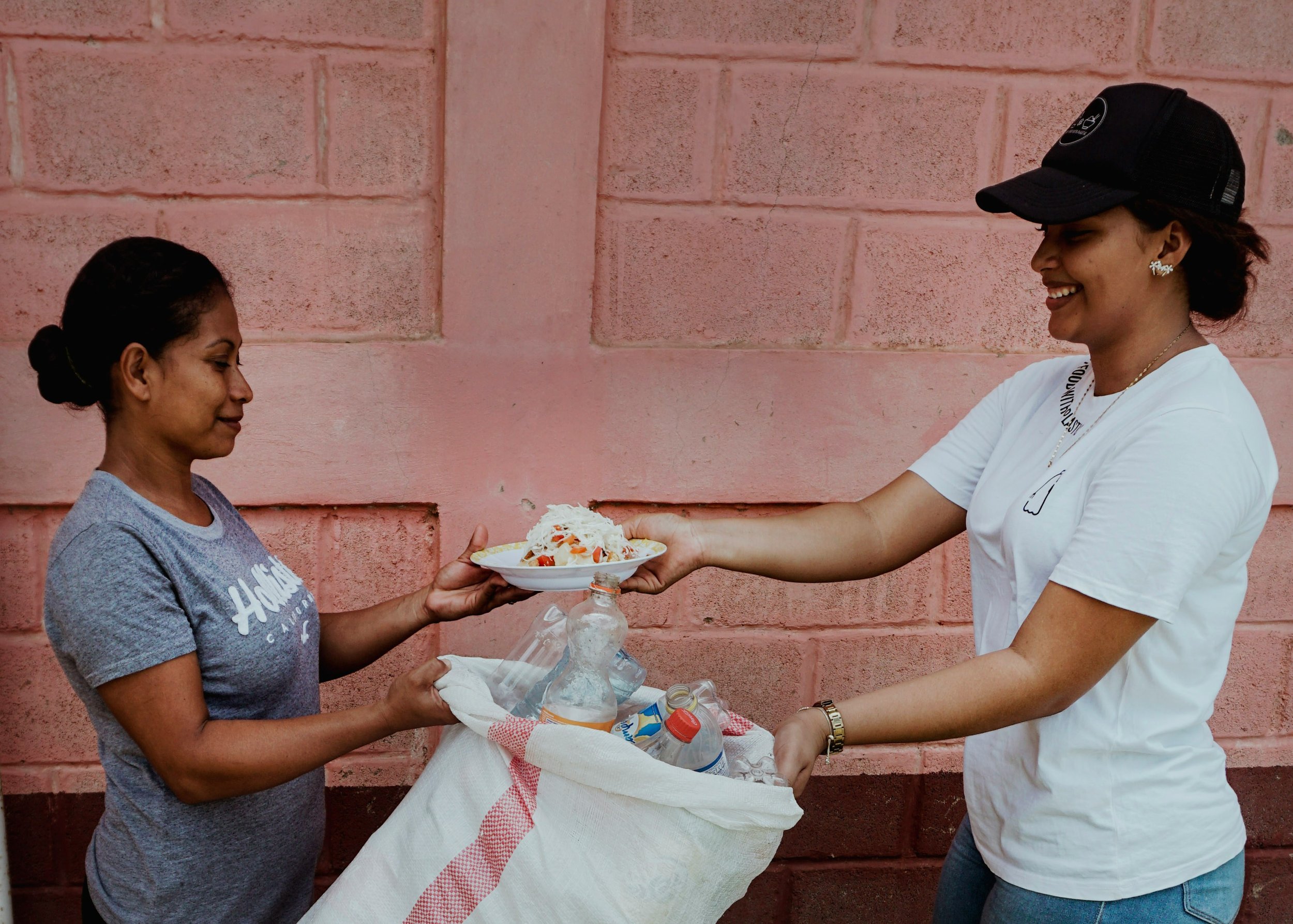
Photo by: Khalil Radi
Coming together does not always mean making a grand gesture. It may mean checking on a neighbor. Sharing food. Supporting a local business. Teaching someone what we know. Making room for another person’s grief. Creating community care for children and elders. Telling the truth when silence would feel easier. Organizing around a problem instead of suffering through it alone.
It may also mean reconsidering what makes a life meaningful.
Many of us inherited a vision of success built around individual achievement. Work harder. Acquire more. Protect what is yours. Hope the system rewards you. But perhaps the next chapter will require a different measure. Perhaps a meaningful life is not only about what we accumulate, but about what we make possible for one another.
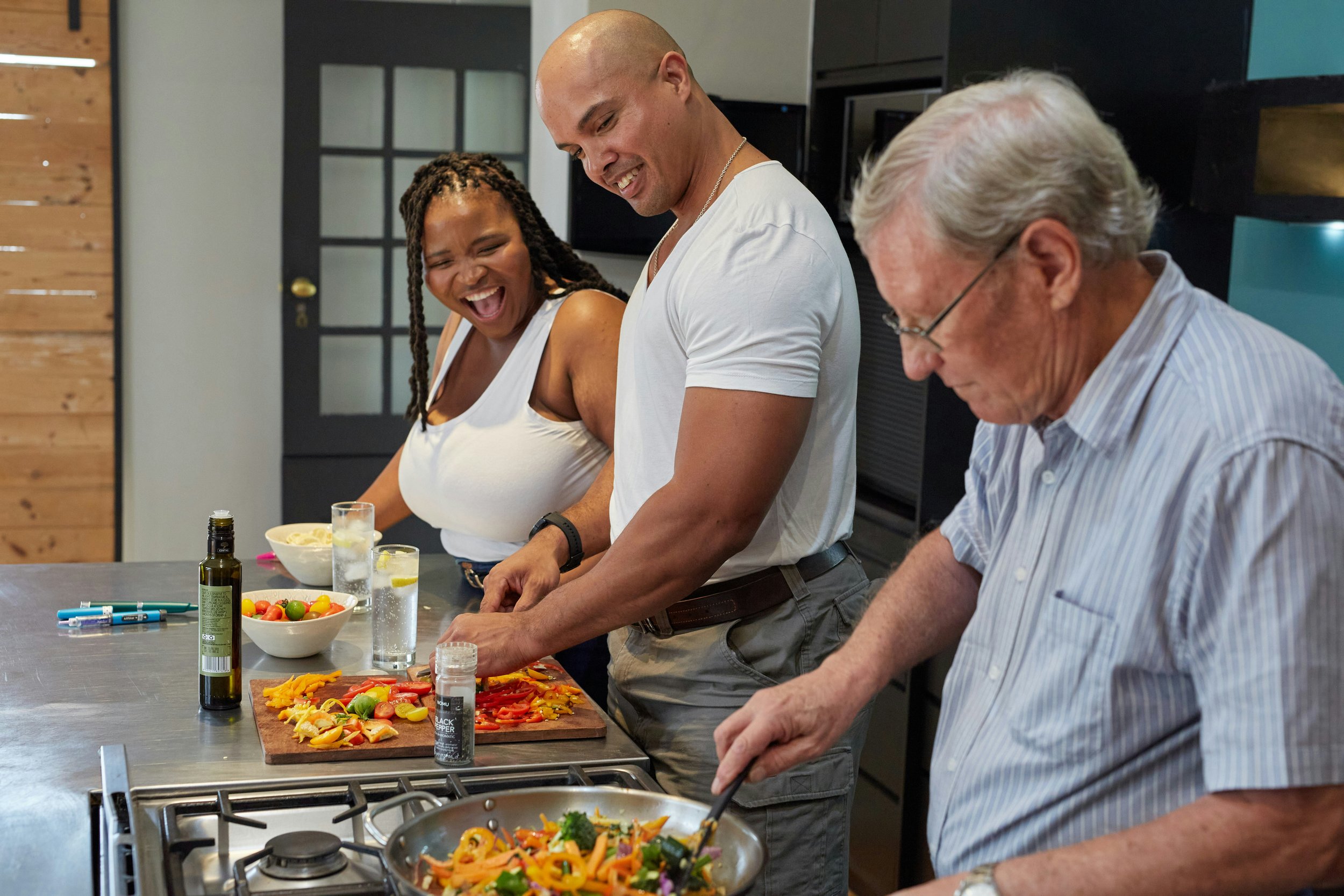
Photo by: Sweet Life
We are our ancestors’ wildest dreams, but not simply because we have access to things they did not. We are their dreams because we are still here. We carry languages, recipes, rituals, music, stories, faith, knowledge, and ways of loving that survived across generations. We can create, question, travel, learn, organize, and imagine. We can make choices our ancestors fought to place within our reach.
And now, we have dreams of our own to leave behind.
We do not know exactly what the world will become. We know that no generation has ever received the future it expected. People have always had to create meaning inside uncertainty.
So yes, pay attention. Grieve what we are losing. Stay informed. Be angry. Protect yourself.
But also find some light.
Look for the people building something. Look for the neighbors sharing resources, the organizers refusing to give up, the artists helping us imagine, the caregivers holding families together, and the ordinary people choosing courage over isolation.
Then join them.
The light may not arrive from somewhere above us. It may be something we create between us.
Want to keep exploring this idea?
This reflection on finding light through community continues in our podcast episode, “The Light We Create Together” Tune in as we explore what it means to build connection, care, and possibility with one another during uncertain times.
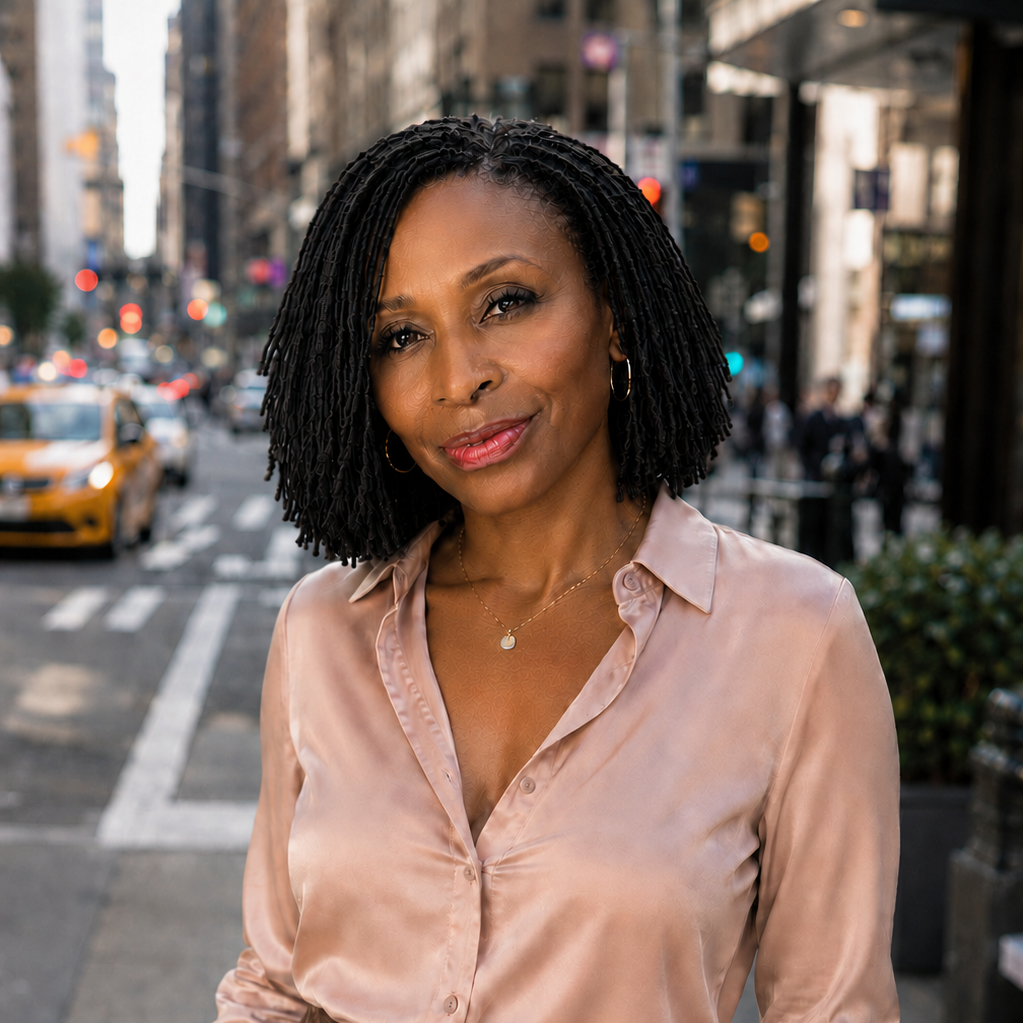
Tanisha Christie, LCSW NY/NJ/CT (she/her)
Tanisha Christie, LCSW (she/her) is the Founder and Practice Director who champions the liberation of individuals through the acknowledgement and affirmation of their stories. With a collaborative, holistic, and directive approach, Tanisha guides clients toward healing. Her extensive experience includes roles at Mount Sinai Hospital, the Ackerman Institute for the family and private practices, offering specialized expertise in polyamorous and couple relationships, executive coaching, and clinical supervision.