
When the Days Get Shorter: Seasonal Affective Disorder in Fall
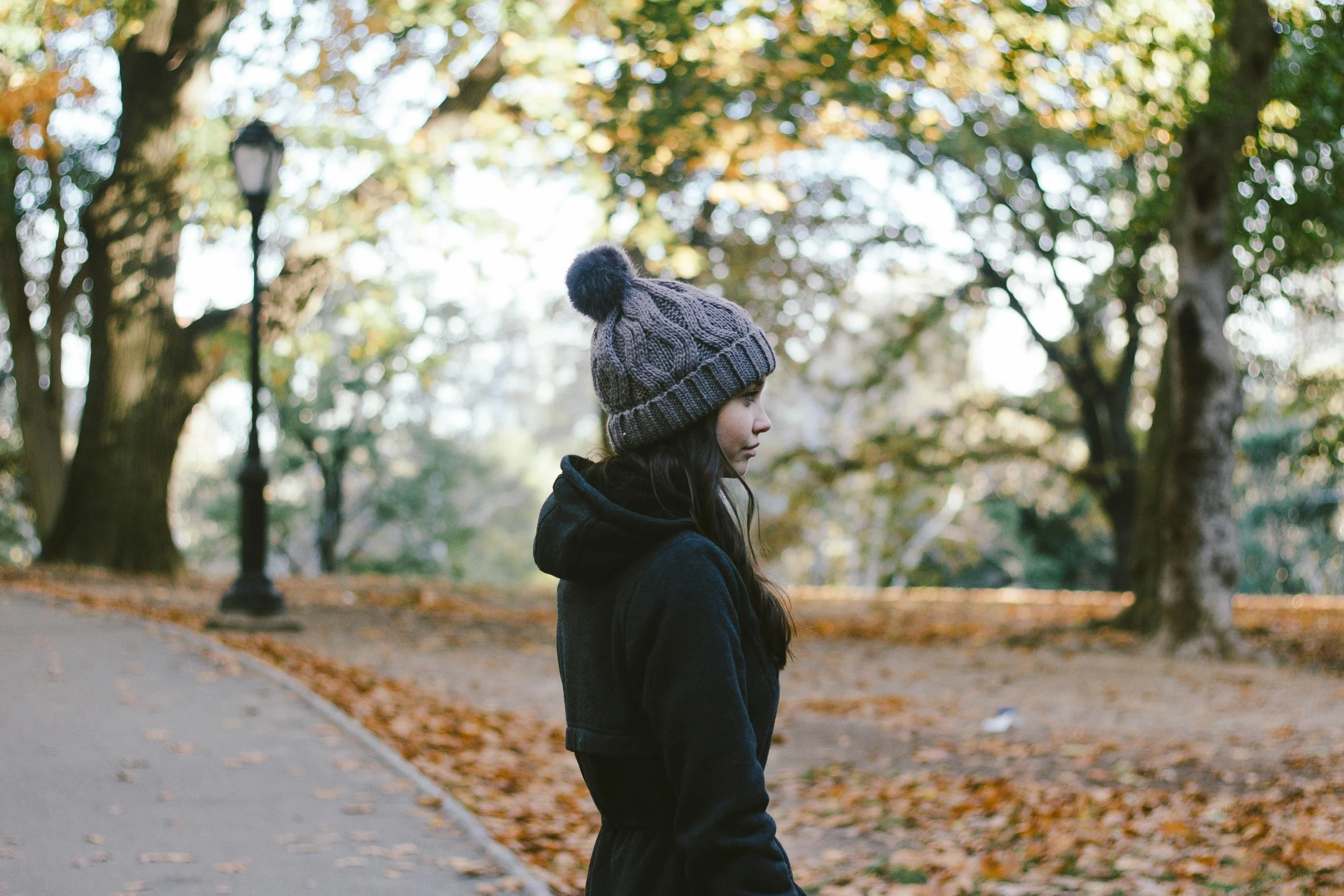
Fall looks cozy on Instagram—pumpkin patches, candles, weekend trips upstate. But for a lot of people, once the days get shorter, the vibe shifts. You get out of work and it’s already dark. Your energy dips, your mood feels heavier, and suddenly even answering texts back feels like a chore. If this sounds familiar, you’re not alone. What you might be feeling is Seasonal Affective Disorder (SAD)—a form of depression that shows up as the seasons change, most often in fall and winter.
Understanding Seasonal Affective Disorder (SAD) and the Holiday Season
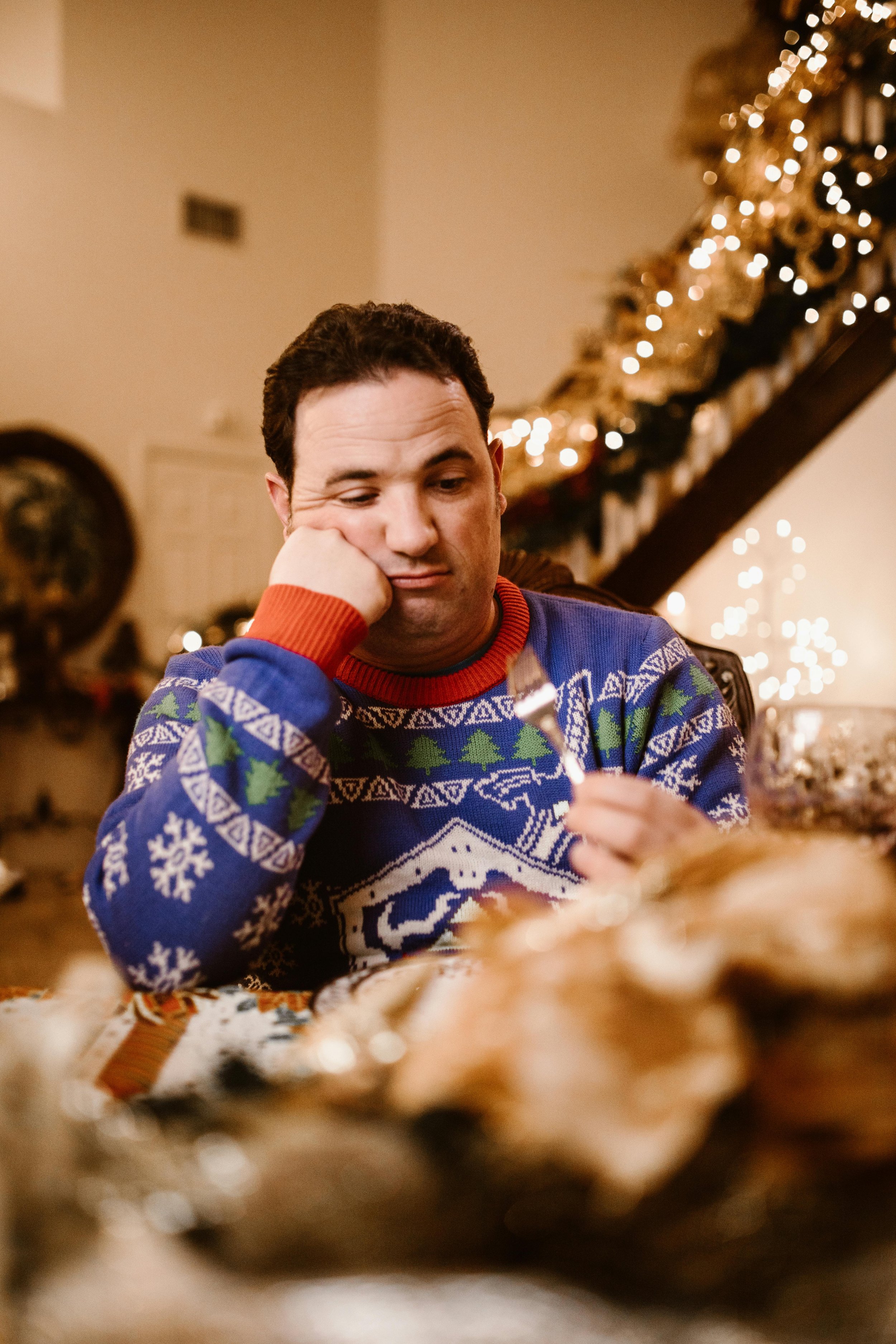
As the days grow shorter, many people may feel an inexplicable shift in their mood. While some of this can largely be attributed to changes in daylight, for others, it signals the onset of Seasonal Affective Disorder (SAD). SAD is more than just feeling "the end of summer/ winter blues." It’s a legitimate form of depression that can impact your daily life. As we enter the holiday season—a time often depicted as joyful and celebratory—SAD can feel even more overwhelming. It’s really important that you understand this condition, along with why it happens and how it’s influenced by more than just the weather.