
Written by: Ricky Weng, LMSW/LSW (he/him)

Photo by: Isaac N.
The wonder of life and its experiences includes highs and lows; moments of great joy and moments of deep sorrow. Much of how we experience life can occur unconsciously, a mixture of feelings, thoughts, and behaviors reacting to a moment. My practice and work starts and sustains itself in the idea of being consciously aware of your experiences. And much of it is grounded in Acceptance and Commitment Therapy (ACT for short).
An offshoot of Cognitive Behavior Therapy (CBT) developed by Steven Hayes and colleagues in the mid-1980s, ACT took a deliberate step away from the cognitive distortion-challenging that defines traditional CBT. Instead, it landed somewhere more interesting: rather than fighting your feelings and thoughts, you start by just… noticing them. At its core, ACT is about helping people live meaningful, values-driven lives by building psychological flexibility. The name itself spells out the core tension the model works with: acceptance of painful thoughts and feelings on one side, and committed action toward a rich, self-determined life on the other. That duality makes it feel less like a clinical protocol and more like a genuinely human approach to suffering.

Photo by Alexandros Giannakakis
When working with a clinician who practices ACT, the experience can feel a little different from what you might expect from therapy. You're not there to be fixed and your thoughts and feelings (even painful ones) aren't the enemy. We start with Values: who you are, what matters to you, and what kind of life you want to live. From there, we explore together the gap between those Values and your behaviors, especially the moments where difficult thoughts and feelings pull you away from your Values. Part of what we look at together is the ways we unconsciously avoid discomfort - and how that avoidance, over time, can quietly pull us further from the life we want. And at the center of all of it is something ACT calls the Choicepoint: the simple idea that at any given moment, you have a choice about whether your next move takes you toward your Values or away from them. When working with me, I won’t tell you which way to go - I’ll instead help you see the fork in the road clearly and trust yourself enough to choose.

Photo by The Humantra
What draws me to ACT is that it assumes something many of us were never taught: that we can have painful thoughts, complicated emotions, uncertainty, grief, fear, and still move toward the lives we want. In a world that often asks us to disconnect from ourselves, perform, survive, or shrink to fit the expectations of others, therapy can become an act of reclaiming one's self. What I find most powerful about this work is that it doesn't ask you to stop feeling - it asks you to stay present with yourself while you do. My hope is that you leave with a deeper trust in your own capacity to navigate life's difficulties - more conscious, more intentional, and more aligned with who you want to be.
Interested in working with a therapist who offers ACT?
If this approach resonates with you, you can view my Psychology Today Profile to learn more about my approach and request a free consultation orexplore therapists at Liberation-Based Therapy who offer Acceptance and Commitment Therapy and currently have availability.
Not sure where to begin?
Explore our therapists with availability and find someone whose approach feels aligned with your needs.
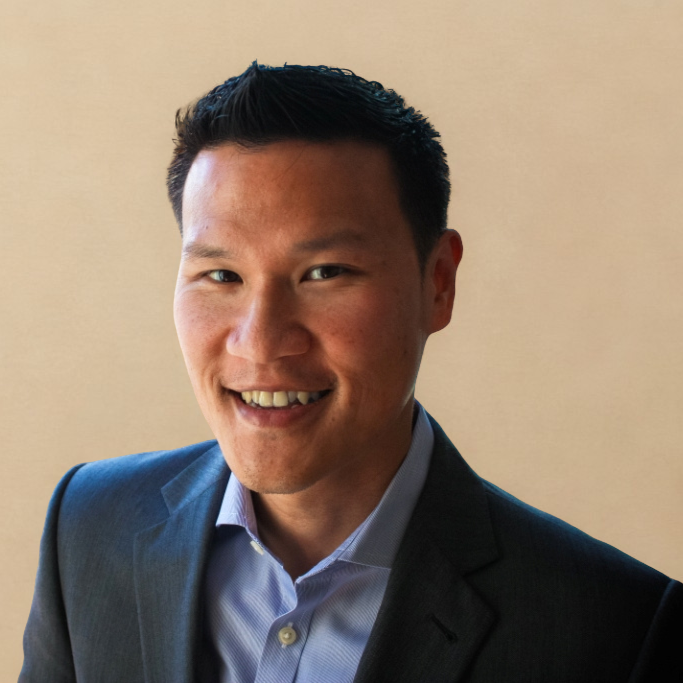
Ricky Weng, LMSW (he/him), believes healing starts by meeting you exactly where you are. He works with adults, couples, families, and small groups to navigate life’s challenges, including depression, anxiety, grief, and the impact of change or transition. With compassion and care, he works with you to move toward growth, balance, and a deeper sense of self.